
Beach waves are known for their relaxed, undone appearance. Instead of tight, uniform curls, the style creates softer movement that can give straight or minimally textured hair more body and dimension.
A beach waves perm can provide a longer-lasting wave pattern for clients who enjoy this look but do not want to recreate it with a curling iron every day. At Bravo Salon in Scottsdale, AZ, the service is planned around the client’s existing hair, desired amount of movement, length, density, and overall condition.

A beach waves perm is a permanent wave service designed to create loose, relaxed movement rather than tightly defined curls.
The finished texture can range from subtle bends to more visible waves, depending on the client’s starting hair and the result being requested. Unlike temporary beach waves created with heat styling, a permanent wave changes the structure of the treated hair so that it retains a wave pattern as it is washed and styled.
The final result will not look identical on every person. Hair length, natural texture, density, haircut, and chemical history all influence how the wave develops.
Traditional perms can create many different curl patterns, including tighter curls, spirals, and defined waves. Beach waves are generally intended to look softer and less uniform.
The difference is particularly noticeable in the overall shape. A traditional curl-focused perm may produce a more consistent pattern throughout the hair, while beach waves are often desired for their variation and relaxed movement.
This makes the consultation important. A client who wants loose texture should communicate that preference rather than simply asking for a “perm,” since different permanent wave approaches can produce very different results.

Hair length has a significant influence on how beach waves appear.
Long hair carries more weight, which can pull the wave downward and create a softer, more elongated pattern. Shoulder-length or shorter hair may show more visible movement because there is less weight stretching the wave.
Very long hair can still be suitable for a beach waves perm, but the final result may not resemble the same style on shorter hair.
The haircut also matters. Layers can release some of the weight from longer hair and allow movement to become more noticeable, while one-length hair may produce a heavier silhouette.
Density and natural texture can change how the same permanent wave service looks from one client to another.
Dense hair may have more weight pulling against the wave, while fine hair may show the pattern more readily. Naturally wavy hair may require a different approach from completely straight hair because it already has an existing movement pattern.
Clients with curly hair may also have different goals. They may want to enhance or reshape their natural texture rather than create beach waves from a straight starting point.
The desired result should therefore be considered alongside the hair’s current characteristics.
One appeal of beach waves is the ability to begin with an established wave pattern rather than creating the style from scratch every morning.
Someone who regularly uses a curling iron to add bends and texture may find that a permanent wave provides a more convenient starting point for styling.
That does not mean the hair requires no styling. How the hair is dried, brushed, and shaped can influence how defined the waves appear.
Air-drying, diffusing, or using appropriate styling products may produce different levels of movement depending on the client’s natural texture and desired finish.
Previous chemical services are an important part of planning a beach waves perm.
Hair that has been highlighted, lightened, permanently colored, straightened, or previously permed may respond differently from untreated hair. The ends may also be more processed than the newer growth near the scalp.
This difference is especially relevant for longer hair because the oldest sections have typically experienced more washing, heat, brushing, environmental exposure, and chemical processing over time.
Before a permanent wave is performed, the condition of the hair should be evaluated to determine whether the requested service is appropriate.
Clients should also provide a complete history of recent color and chemical services, including services performed elsewhere.
Beach waves can create the appearance of additional body, but wave and volume are not necessarily the same thing.
A client may want movement through the lengths without significant lift at the roots. Another person may want more overall fullness and texture.
The amount of movement, the starting haircut, and the hair’s density can all influence the finished silhouette.
For example, long, dense hair may benefit from a wave that creates movement without adding excessive bulk, while fine hair may be shaped differently to help the texture appear fuller.
The desired balance should be discussed before the service rather than assumed from the term “beach waves.”
Styling techniques can either emphasize or soften the wave pattern.
Scrunching the hair while damp may encourage definition, while brushing or using certain drying techniques can create a softer appearance. Heat styling can also temporarily alter the way the wave looks.
The goal is to develop a routine that works with the permanent texture rather than constantly fighting against it.
Clients should also follow the specific aftercare recommendations provided following their service, particularly during the initial period after the perm.
There is no single beach-wave formula that produces the same result on every hair type.
Straight hair may need more structural change to develop visible movement. Naturally wavy hair may require a plan that works with its existing pattern. Fine hair, dense hair, long hair, and layered hair can all respond differently.
Hair condition is equally important. A strand that has already experienced significant chemical processing may have different limitations from untreated hair.
For this reason, a consultation should focus on the actual condition and history of the hair rather than relying exclusively on a desired reference image.
A permanent wave changes the treated hair, but new growth continues to develop according to the client’s natural texture.
As the hair grows, the difference between the new growth and the treated lengths may become more noticeable. Haircuts can also change how the wave falls by removing weight or altering the overall shape.
The wave itself may appear softer over time as the hair is washed, styled, exposed to environmental conditions, and grows longer.
Maintenance is therefore influenced by the client’s natural growth rate, hair length, texture, and preferred appearance rather than a fixed schedule that applies to everyone.
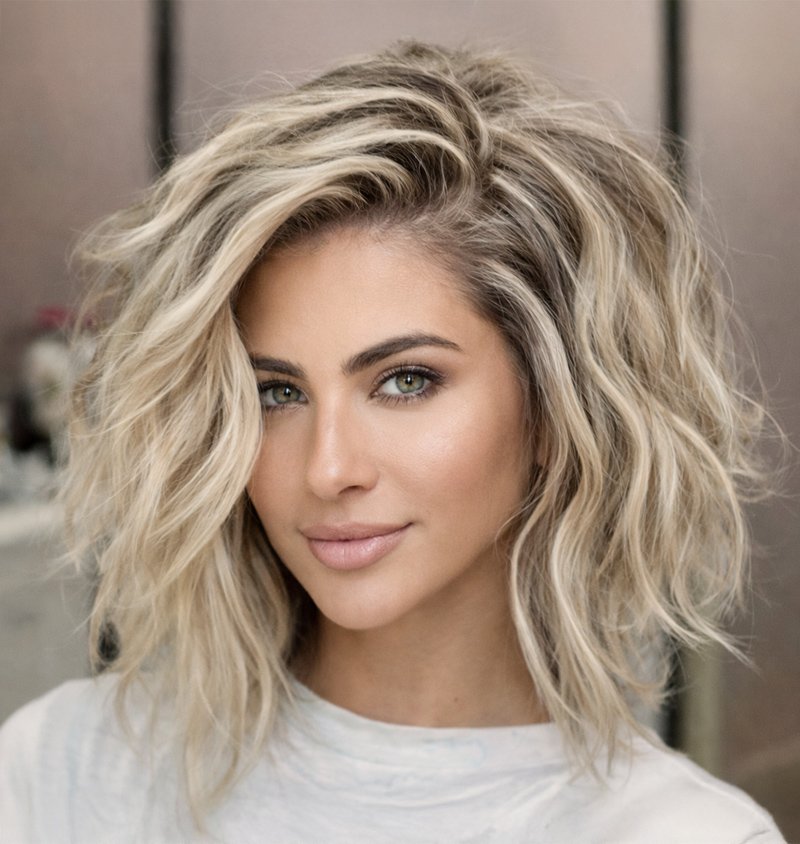

A beach waves perm can be an option for clients who want relaxed texture and movement without creating tightly defined curls. The service can provide a longer-lasting wave pattern that becomes part of the hair’s existing shape rather than something recreated with a curling iron each day.
The result depends on the individual. Hair length, density, natural texture, haircut, previous chemical services, and hair condition all contribute to the finished appearance.
At Bravo Salon in Scottsdale, AZ, a consultation provides an opportunity to discuss the desired level of wave, review the hair’s current condition and history, and determine whether a beach waves perm is appropriate for the look the client wants to achieve.
The treated hair remains permanently altered, although the wave can become softer over time. New growth will retain the client’s natural texture, so the appearance gradually changes as the hair grows.
Not necessarily. Beach waves are generally intended to create relaxed movement rather than tightly defined curls. The final pattern depends on the starting hair and the desired result.
Long hair can be considered for a beach waves perm, but its weight can stretch the wave and create a softer, more elongated pattern. Haircut structure and density should also be considered.
Previous color should be discussed during the consultation. The hair’s condition and chemical history can affect whether a permanent wave is appropriate.
Some styling may still be needed. Drying and styling techniques can influence how defined or relaxed the waves appear.
Naturally wavy hair can be evaluated for the service, particularly when the goal is to enhance or reshape existing movement. The approach depends on the current texture and desired result.
It can create additional visual body and movement, but the amount of volume depends on hair length, density, texture, and the wave pattern created.
Yes. A reference image can help communicate the desired level of movement and overall shape. The final result will still depend on the client’s individual hair characteristics.
Both can create relaxed movement, but they are distinct permanent wave services. The appropriate option depends on the client’s hair, desired texture, and the type of result being pursued.
Bring information about recent color, lightening, straightening, or other chemical services. It is also helpful to discuss your usual styling routine and the amount of wave and maintenance you prefer.